
Fire protection in a tyre manufacturing plant isn’t just a regulatory checkbox—it’s critical, because the materials involved (rubber compounds, oils, carbon black) are highly combustible and can produce intense, fast-spreading fires with toxic smoke. A robust system typically combines prevention, detection, suppression, and emergency response.
Here’s how it’s usually structured:
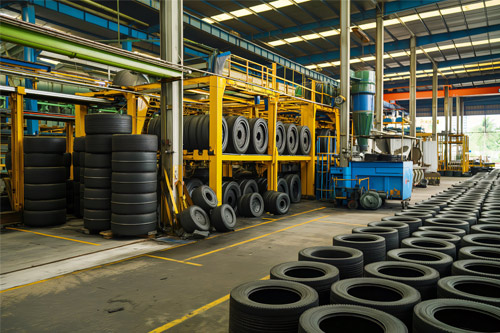
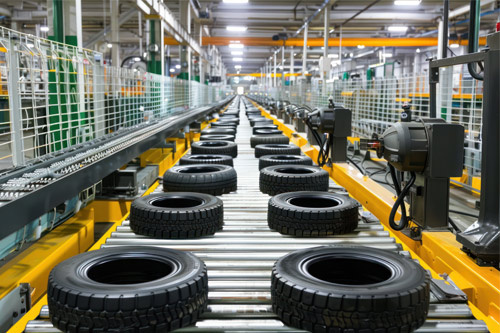
Tyre plants face unique hazards due to:
Rubber dust and carbon black → can create explosive atmospheres
Flammable oils and chemicals used in compounding
High-temperature machinery (mixers, curing presses)
Storage of finished tyres → high fire load, difficult to extinguish
Early detection is crucial:
Smoke detectors (photoelectric) for warehouses and offices
Heat detectors in high-temperature areas
Flame detectors near mixers and curing presses
Aspirating smoke detection (VESDA) in critical zones for early warning

Fire Suppression Systems
A combination of systems is used depending on the area:
Automatic Sprinkler Systems
Wet pipe systems in general areas
Deluge systems for high-hazard zones
Designed as per NFPA 13
Foam-Based Systems
For oil storage and mixing areas
Uses AFFF or high-expansion foam to suppress flammable liquid fires
Water Spray Systems
For machinery protection (e.g., Banbury mixers)
Cools surfaces and prevents fire spread
Gas Suppression Systems
Clean agents (e.g., FM-200, Novec 1230) for: Electrical rooms & Control panels

Tyre plant fire protection systems are essential for safeguarding manufacturing facilities that handle highly flammable materials such as rubber compounds, carbon black, and industrial oils. These environments present a high fire risk due to heat-generating machinery, dust accumulation, and large-volume storage of finished tyres, making advanced fire protection systems a critical requirement.
A comprehensive tyre plant fire protection system includes early fire detection, automatic suppression, and emergency response solutions designed to minimize risk and ensure operational continuity. Modern systems incorporate advanced smoke and heat detectors, flame detection technology, and aspirating systems for rapid identification of fire hazards in high-risk zones such as mixing, extrusion, and curing areas.
Fire suppression solutions in tyre manufacturing facilities typically include automatic sprinkler systems designed in accordance with NFPA 13, foam-based suppression for flammable liquid hazards, and water spray systems for machinery protection. Clean agent suppression systems are also used to protect sensitive electrical and control rooms without causing equipment damage.
In addition, fire hydrant and hose reel systems designed as per NFPA 14 ensure effective manual firefighting capabilities across the facility. Explosion protection systems, including dust control, ventilation, and explosion venting, are crucial in areas where combustible dust is present.
Compliance with global standards such as those established by the National Fire Protection Association and local fire safety regulations ensures that tyre plants maintain the highest level of safety and regulatory adherence.
Implementing a robust tyre plant fire protection system not only protects assets and personnel but also reduces downtime, enhances operational efficiency, and ensures long-term business sustainability.
Tyre plant fire protection systems are specialized safety solutions designed to detect, control, and extinguish fires in tyre manufacturing facilities. These systems address risks associated with flammable rubber materials, oils, carbon black, and high-temperature machinery.
Tyre plants have a high fire load due to combustible materials and processes. Effective fire protection minimizes risks to personnel, prevents production losses, ensures regulatory compliance, and protects expensive equipment and inventory.
Tyre plants typically use:
Automatic sprinkler systems (as per NFPA 13)
Foam-based systems for flammable liquids
Water spray systems for machinery protection
Clean agent systems for electrical and control rooms
Fire hydrant and hose reel systems provide manual firefighting capability across the facility. These systems are designed according to NFPA 14 and are essential for emergency response.
Yes, tyre plants can face explosion risks due to combustible dust such as carbon black. Proper dust extraction, ventilation, grounding, and explosion protection systems are necessary to mitigate these hazards.
Fire protection systems are typically designed based on guidelines from the National Fire Protection Association along with local fire safety regulations and building codes.
Tyre storage areas require high-density sprinkler systems, proper spacing between stacks, fire breaks, and sometimes foam systems due to the high fire load and difficulty in extinguishing tyre fires.
Clean agent systems protect sensitive equipment such as electrical panels and control rooms by extinguishing fires without leaving residue or damaging equipment.
Regular inspection, testing, and maintenance (ITM) should be conducted as per NFPA standards and local regulations to ensure system reliability and performance.
Yes, fire protection systems are designed based on plant layout, processes, hazard levels, and regulatory requirements to provide optimal safety and efficiency.
Enhanced worker safety
Reduced fire risk and damage
Compliance with regulations
Lower insurance costs
Business continuity and reduced downtime
Oxygen Reduction System
Hypoxic Fire Safety system
Hypoxic Air Protection
Hypoxic Fire Prevention System
Server Room Fire Protection System
IT Room Fire Protection System
Data Center Fire Protection
AI Fire Suppression Systems
AI Fire Protection Smoke Detector
AI Fire Alarm System
AI Based Fire Protection System Project
Oxygen Fire Protection Systems
Fire Prevention system
Ai thermal camera for critical environment
Industrial UVIR Detectors
Infrared camera fire thermal
Thermal Fire Camera
Battery Fire
Flame Detector
Spark Detector
Warehouse Oxygen Reduction System
Heritage Building Fire Protection
Museum Fire Protection System
Auto Mobile Fire Safety System
IoT-based Fire Safety Systems
Passive Fire Doors
Passive Fire Protection Tunnel System
Railway Fire Fighting Systems
Deluge System
Fire And Safty Audits
Fire Contractor
Fire Alarm
Fire Extinguisher
Jet Monitor Fire Fighting
Wet Sprinkler
Foam/Rim Seal Protection
High Velocity Water Spray System
Low Velocity Water Spray System
Vehicle Fire Safety
Fire Pressurisation System
Auto Cad Design & Estimation
Detail Engineering for complete Site
Design Consultancy as required
Aerosol Extinguishing System
Co2 flooding system
FM-200 Fire Suppression Systems
NOVEC-1230
Inert Gases
LT/HT Panel Gas Flooding System
Gas Leak Detection
Fire Evacuation Maps
Very Early Smoke Detection VESDA
Nuclear Fire Detection System
Linear Heat Sensing Detection
Pollution Wipe Box for Aviation Industries
Project Management
Mock Drills
Fire Safety Training
Advance Fire System
Lithium-Ion Battery Fire Protection
Energy Storage Fire Protection System
EV Fire Suppression Systems
Fire Consultancy Services
Honeywell Fire Alarm Systems
Oxygen Sensors for Data Centers & Server Rooms
Smoke Curtain System
UL / EN Fire Curtain System
Water Curtain System
Tunnel Fire Protection System
Simplex Fire Alarm Systems
Self-Test Smoke Detectors
IG541 Fire Gas Suppression System
Bosch Fire Alarm Systems
Fire Suppression
Fire Hydrant
Electrical Panel Gas Flooding System
Fire Fighting Mask
Vermiculite Fire Spray
fire protection contractor license
Oxygen sensors for data centers and server rooms
Warehouse Fire Protection
Fire Safety Budget Estimation
Fire Fighting Project Design Services
Bus Fire Protection – Engine & Water Mist
Data Center Fire Protection Contractors
Fire Safety Audits & Licensing
Fire Safety Audit for Banks
Fire Safety Audit in Mumbai
Fire Audit in Navi Mumbai
Fire Audit in Thane
Fire Audit for Industrial
Fire Audit in MIDC
Fire Audit in Pune
Fire Consultancy Services
Fire Fighting Equipment
Fire Door License Agency in Mumbai
Fire Door License Agency in Pune
Fire Consultant in Bhubaneswar
Fire Consultant in Chhattisgarh
Fire Consultant in Jharkhand
Fire Consultant in Odisha
Fire Consultant in Raipur
Fire Consultant Near Me
Fire Budget Estimation
Fire Detection & Alarm
Fire Engineering & System
Fire Fighting Drone Operator in Mumbai
Fire Fighting System Maintenance
Fire Fighting Systems in Mumbai
Fire Gas Flooding System
Fire PASS
Fire Prevention System in Building
Fire Prevention System in Maharashtra
Fire Prevention System in Mumbai
Fire System Repair Services
Fire System Solutions
Fire Video Analytics Systems
Gas Components Supplier in Mumbai
Gas Suppression System Maintenance
Gas Suppression System in Mumbai
GST Edwards Fire Alarm Systems
Importance of Fire Protection Systems in India
MEP design consultancy service provider
Transformer Fire Protection System
Top Fire Company In India
Top 10 Fire Protection Companies in India
Top Fire Contractors in India
Tunnel Fire Protection Systems in Maharashtra
Siemens Fire Alarm Systems
Server Room ups Room Fire Protection
Safety Officer Recruitment
Ravel Fire Alarm Systems
Passive Fire Protection System
Panel Flooding System
Passive Fire Doors in Maharashtra
Nuclear Fire Consultant Near Me
Novec 1230 Fire Suppression System
Museum Fire Prevention System
Mock Drills for Fire Safety
Mircom fire system
MEP design consultancy service provider
Inergen® Fire Protection System
AI Camera Safety
Custom AI Safety
Oil Leak Detection Systems
Black Carbon Monitoring System
Fire Extinguisher Pressure Monitor IOT
Tyre Plant Fire Protection Systems
Banbury Mixing Tower Safety & Fire Protection