
Aerosol Extinguishing & Fire Suppression System — Mumbai, India
Design, supply, installation, testing and maintenance of aerosol suppression and aerosol protection systems for suitable electrical, industrial and equipment-enclosure risks across Indian states and major cities.
Call +91 96999 90424 Request a Site AssessmentWhat Is an Aerosol Fire Suppression System?
An aerosol extinguishing system uses a compact generator to release a fine condensed aerosol that interrupts the chemical chain reaction of combustion inside a designed protected space or enclosure.
Also described as an aerosol suppression system, aerosol protection system or aerosol fire suppression system, it may provide a compact solution where the hazard, enclosure, occupancy and equipment are compatible with the selected product. A complete installation can include generators, detection, a releasing control panel, alarm devices, manual controls, shutdown interfaces and warning signs.
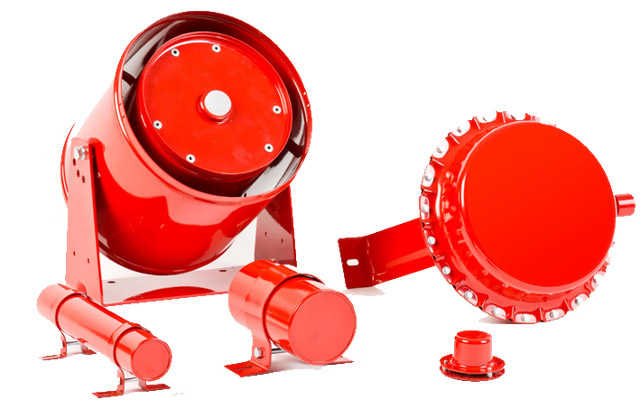
Aerosol Suppression System Services
Risk Assessment & Design
Review of fire class, enclosure volume, leakage, equipment, occupancy and environmental conditions before selecting a suitable system.
System Engineering
Generator quantity and placement, detection zoning, releasing logic, alarms, manual controls, interlocks and installation drawings.
Supply & Installation
Project-based supply and installation of aerosol generators, control equipment, detection devices, cabling and accessories.
Testing & Commissioning
Wiring checks, alarm and release simulations, interface verification, documentation, user training and handover support.
Inspection & Maintenance
Scheduled inspection of generators, expiry or service life, mounting, actuators, detection, batteries, alarms and releasing controls.
Retrofit & Modification
Engineering review when protected equipment, enclosure volume, ventilation, occupancy or the fire-alarm interface changes.
Typical Aerosol Protection System Applications
- Electrical panels, switchgear and control cabinets
- Machinery and engine enclosures
- Telecommunication and signalling equipment
- UPS, inverter and selected battery-related enclosures
- Small equipment rooms and modular technical spaces
- Industrial process and storage enclosures
- Transport, marine and remote infrastructure equipment
- Special hazards confirmed suitable by the system designer
State-Wise Aerosol Fire Suppression Coverage
We support eligible aerosol extinguishing system projects throughout India, subject to site assessment, technical suitability, project schedule, logistics and service availability.
West India
Maharashtra, Gujarat, Goa, Rajasthan, Madhya Pradesh, Dadra & Nagar Haveli and Daman & Diu.
South India
Karnataka, Kerala, Tamil Nadu, Telangana, Andhra Pradesh, Puducherry and Lakshadweep.
North India
Delhi NCR, Haryana, Punjab, Himachal Pradesh, Uttarakhand, Uttar Pradesh, Chandigarh, Jammu & Kashmir and Ladakh.
East & Central India
West Bengal, Odisha, Bihar, Jharkhand and Chhattisgarh.
North-East India
Assam, Arunachal Pradesh, Manipur, Meghalaya, Mizoram, Nagaland, Sikkim and Tripura.
Island Projects
Andaman & Nicobar Islands and other eligible remote locations, subject to logistics and project assessment.
City-Wise Aerosol Extinguishing System Services
Project enquiries are supported from major industrial and commercial cities, including:
Maharashtra
Mumbai, Navi Mumbai, Thane, Pune, Nashik, Nagpur and Chhatrapati Sambhajinagar.
Gujarat
Ahmedabad, Gandhinagar, Vadodara, Surat, Rajkot, Ankleshwar and Vapi.
Karnataka & Tamil Nadu
Bengaluru, Mysuru, Mangaluru, Chennai, Coimbatore, Hosur and Madurai.
Telangana & Andhra Pradesh
Hyderabad, Secunderabad, Warangal, Visakhapatnam, Vijayawada and Tirupati.
Delhi NCR & North
Delhi, Gurugram, Noida, Greater Noida, Faridabad, Ghaziabad, Chandigarh, Mohali, Ludhiana and Dehradun.
Rajasthan & Central India
Jaipur, Udaipur, Jodhpur, Kota, Indore, Bhopal, Raipur and Bhilai.
East India
Kolkata, Howrah, Bhubaneswar, Cuttack, Ranchi, Jamshedpur and Patna.
Uttar Pradesh
Lucknow, Kanpur, Agra, Varanasi, Prayagraj and major industrial areas across the state.
Kerala & North-East
Kochi, Thiruvananthapuram, Kozhikode, Guwahati and other eligible North-East project locations.
Project Delivery Process
1. Survey
Confirm the hazard, fire class, enclosure, occupancy, equipment and operating environment.
2. Engineer
Select the suitable system and prepare quantities, layout, controls and safety sequence.
3. Install
Coordinate approved generators, detection, releasing controls, cabling and interfaces.
4. Verify
Test alarms, release logic and interlocks; provide documentation, training and maintenance guidance.
Aerosol Fire Suppression FAQs
What is an aerosol fire suppression system?
It is a compact fixed fire-suppression system that releases a fine condensed aerosol to interrupt the chemical chain reaction of combustion within a designed protected space.
Where are aerosol extinguishing systems used?
Subject to a risk and suitability assessment, they may protect electrical panels, machinery enclosures, control rooms, telecommunications equipment, storage areas and selected industrial hazards.
Can an aerosol system be installed in an occupied room?
Occupancy, exposure, visibility, discharge temperature, residue and evacuation controls must be evaluated for the selected product. Suitability and safeguards require confirmation by a competent designer.
Do you provide aerosol suppression services across India?
Yes. We support eligible projects in Mumbai and across Indian states and major cities, subject to technical evaluation and service availability.
Discuss Your Aerosol Fire Suppression Requirement
Share your location, enclosure dimensions, equipment details and fire-risk information for a project-specific assessment.
Call +91 96999 90424 Email sales@relifire.com