HEMM and mobile equipment
Automatic or semi-automatic detection and suppression for haul trucks, dumpers, loaders, excavators, dozers, drills and other diesel or hydraulic equipment.

Turnkey protection for mining equipment and infrastructure
Risk-based detection, automatic suppression and fixed firefighting solutions for open-cast and underground mines, heavy earth-moving machinery, conveyors, crushers, processing plants, workshops and critical electrical facilities.
Mining fire protection is a coordinated programme of prevention, early detection, alarm, automatic suppression, fixed firefighting systems, portable equipment, emergency response and inspection. It protects mobile machinery, conveyors, processing plants, electrical installations, fuel and lubricant areas, workshops and occupied mine infrastructure.
Mining fires can develop around hot engine surfaces, fuel and hydraulic leaks, electrical faults, batteries, friction-heated bearings, conveyor drives, welding work, combustible deposits and spontaneous heating. The correct solution is selected for the specific mine, equipment, fire class, operating environment and approval requirement.
Reliance Fire Protection Systems supports surveys, design coordination, supply, installation, testing, commissioning and maintenance from Mumbai for project locations across India.
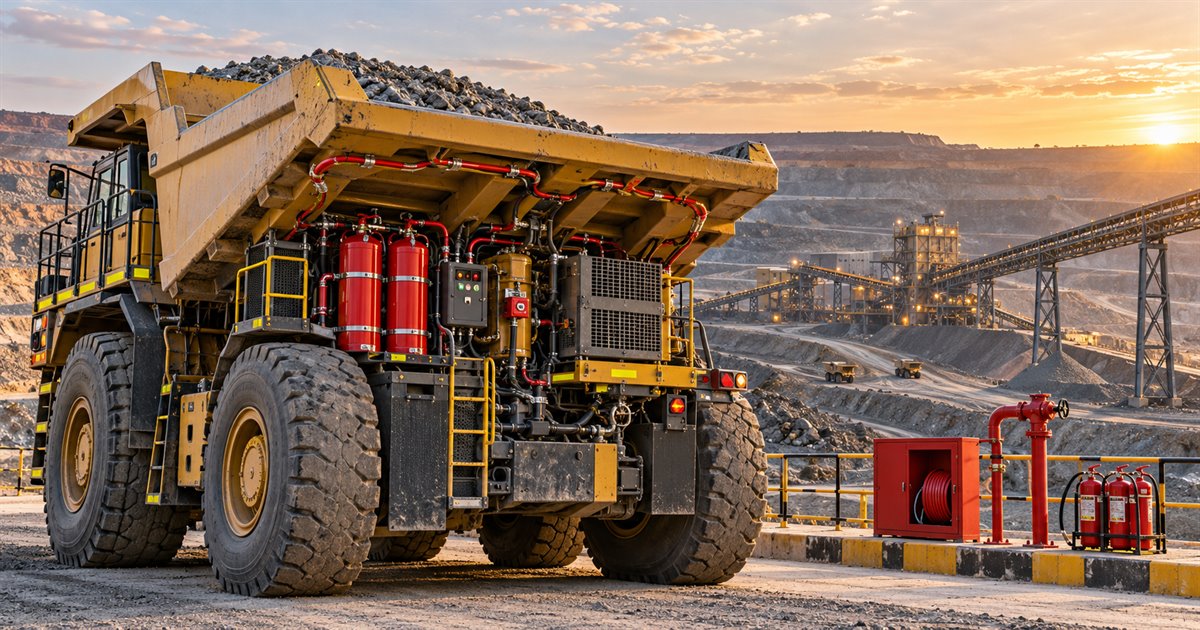
Automatic or semi-automatic detection and suppression for haul trucks, dumpers, loaders, excavators, dozers, drills and other diesel or hydraulic equipment.
Heat and flame detection, belt alarm and shutdown interfaces, plus hazard-appropriate water spray, deluge, foam or dry-chemical protection.
Protection for crushers, screens, mills, lubrication skids, hydraulic power packs, cable routes, dust collectors and mineral-processing hazards.
Detection and suppression for substations, MCC rooms, switchgear, transformers, control rooms, UPS rooms, server rooms and communication facilities.
Fire alarm, spill-aware protection, foam or water-based systems, hydrants, monitors and portable equipment for storage, maintenance and refuelling hazards.
Fire-water networks, pumps, tanks, hydrants, hose reels, monitors, extinguishers, fire stations, inspection schedules, training support and documentation.
| Mining hazard | Typical protection approach | Engineering consideration |
|---|---|---|
| Haul trucks and HEMM engine bays | Automatic detection with dry chemical, wet chemical, water-based or dual-agent suppression | Fuel, hydraulic oil, turbocharger and exhaust surfaces, airflow, machine vibration and manual actuation |
| Conveyor drives, take-ups and transfer points | Heat/flame detection, alarm and shutdown with water spray, deluge, foam or dry chemical | Belt material, drive power, bearing heat, dust, drainage, freezing risk and water availability |
| Electrical rooms and control systems | Early smoke detection, fire alarm and approved clean-agent or other suitable suppression | Room integrity, ventilation shutdown, electrical isolation, occupancy and business continuity |
| Fuel and lubricant hazards | Spill control, detection, foam/water systems, monitors, hydrants and portable extinguishers | Fuel type, storage arrangement, containment, exposure protection and emergency access |
| Coal stocks and combustible deposits | Temperature monitoring, thermal imaging, water application and operational controls | Spontaneous heating, dust, pile geometry, access and site-specific response procedures |
Project support is available for coal, metal, non-metal, mineral-processing and mine-infrastructure facilities across Indian states and union territories, subject to site access, equipment availability and applicable approvals.
A mining fire protection system combines prevention, early detection, alarm, automatic suppression, fixed firefighting systems, portable equipment, emergency response and inspection for mobile machinery, conveyors, processing plants and mine infrastructure.
The requirement depends on the mine, machine and applicable approval. Heavy earth-moving machinery, haul trucks, loaders, excavators, drills, dozers and other diesel or hydraulic equipment are commonly assessed for automatic or semi-automatic suppression.
Conveyor protection can combine linear heat or spot detection, belt monitoring, alarm and shutdown interfaces with correctly selected water spray, deluge, foam or dry-chemical protection at drives, take-ups, transfer points and other hazards.
Yes. Underground systems must consider smoke and toxic-gas movement, ventilation, evacuation, restricted agents and materials, equipment approvals, water availability, communication, refuge and rescue procedures in addition to the fire hazard.
Agent selection is hazard-specific. Dry chemical, wet chemical, water-based, foam or dual-agent arrangements may be considered according to fuel, hydraulic oil, hot surfaces, electrical components, ambient conditions and the approved system design.
Reliance Fire Protection Systems provides project assessment, engineering coordination, installation, testing and maintenance support for mining locations across Indian states and union territories.
Useful inputs include mine type and location, equipment list and model, hazard areas, conveyor drawings, fuel and lubricant details, electrical loads, water availability, existing systems, approval requirements and the required inspection or maintenance scope.
Share the mine type, project location, machinery list, conveyor and plant drawings, existing fire systems and applicable approval requirements for a project-specific review.
Call +91 96999 90424 | sales@relifire.com | Contact Reliance Fire Protection Systems